Showing posts with label Dynasties. Show all posts

Thursday, December 20, 2018

Natural history series, Dynasties, on BBC Earth ending Sunday with a special 'Making of' 6th episode as BBC film crews reveal their difficulties and challenges capturing the jaw-dropping wildlife scenes.


The BBC' new natural history series, Dynasties, with Sir David Attenborough as narrator will end this Sunday on BBC Earth (DStv 184) at 16:00 with a special "Making of" 6th episode, revealing some of what went happened behind-the-scenes of the 5 episodes, how the unexpected and jaw-dropping moments were captured and some of the difficulties the various film crews experienced.

For each of the 5 episodes from the BBC Natural History Unit, covering a chimpanzee leader in West-Senegal (309 days), penguins in Antarctica (11 months there, 6 months filming), an African lioness in Kenya (420) days), a painted wolf mother and daughter in Zimbabwe (669 days) and a tiger in India (220 days), various film crews literally spent hundreds of days each in the various locations, filming thousands of hours of footage.

The various film crews, tracking five of the world's most celebrated and endangered animals on Earth, had no idea how events would play out as the animals fought for their own survival and the future of their families against overwhelming odds.


The 6th "Making of" episode of Dynasties will show how the film crews not only battled nature and harsh weather circumstances and other environmental challenges, but also encountered unpredictable animal behaviour and caught never-before-seen animal behaviour on film.

The special episode looks back on key moments in the making of Dynasties and explores the difficulties and triumphs the crew experienced while filming the series.


Monday, November 19, 2018

The producer answers your burning questions about what you saw in in the first episode of BBC Earth’s Dynasties, and what happened to David the chimpanzee.


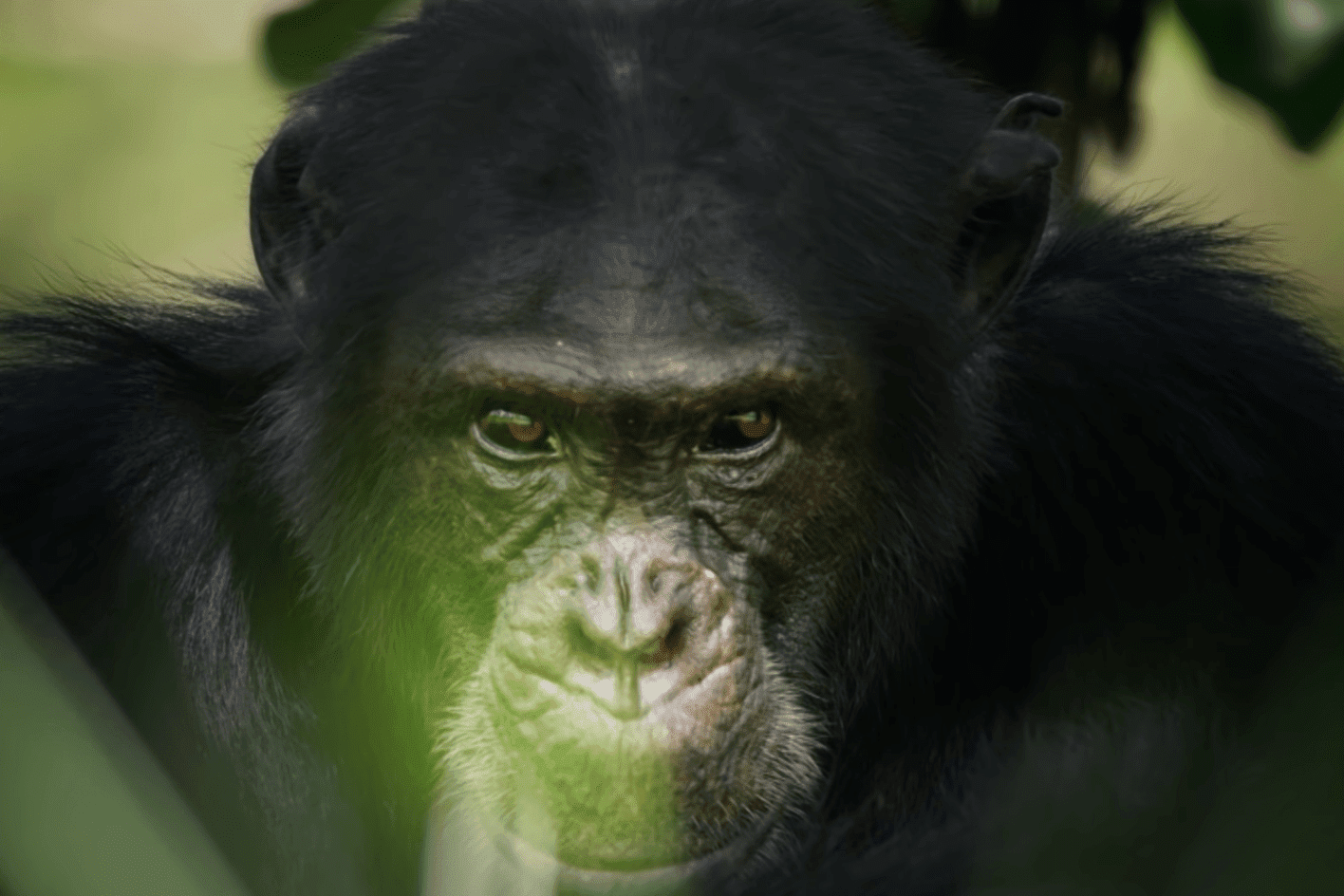
Here are the answers to the burning question you most probably have after having watched the first episode of the striking new BBC Studios natural history series, Dynasties, that kicked off on Sunday on BBC Earth (DStv 184) at 16:00, featuring David the chimpanzee, the alpha male of his troop in south-east Senegal.

Viewers were shocked after David got viciously attacked by some of the other males in the troop, leaving him for dead ... but then his one finger moved.

Despite massive injuries and deep gashes, David recovered and travelled many kilometres to rejoin his troop that also faced a wildfire.

TVwithThinus spoke to Rose Thomas, the director and producer of the first episode to get answers to some of the must-know stuff viewers would want to know after you've watched the first episode.


Did you intervene when you discovered that David was attacked and left for dead?
Rose Thomas: No, we can't actually. It was incredibly emotionally difficult for me to see that happen.

Ultimately, by getting involved, we would affect their society and how their society works and their natural behaviour. The scientists studying them don't ever step in and we can't go against what they would normally do.

Also, even though he was injured he was still an incredibly strong and aggressive chimp, and it would have been dangerous for us to. And I'm also not sure what I could have done anyway, even if I had been able to help. So for all of those reasons we can't do anything, but yes it was very difficult to watch.


Were you surprised?
Rose Thomas: It's real, it's what happened.

I'm was as surprised as I think viewers seeing it when it all happened. The fact that he came back in that way was just extraordinary because we all thought he had died. As a crew we thought he had died. And we thought we were searching for a dead body.

Then we found him and he was alive it was just extraordinary.


Why do we see you wearing facemasks?
Rose Thomas: The facemasks are actually to protect the chimps.

Because they share over 90% of our DNA, they are also susceptible to our diseases but they don't have the immune system to fight them, so a common cold could kill a chimp. So we wear the face masks to prevent any disease transmission.


Did you set the wildfire?
Rose Thomas: They weren't set by us. No. The whole area burns every year and some are natural fires.

The chimps actually live on a lot of farmland. A lot of farmland is in their territory and a lot of farmers burn their farmland for crops. There were a lot of fires just naturally.


Then there's tragic news that David died recently.
Rose Thomas: There was the same scenario - the younger males attacked him at night and sadly this time he wasn't strong enough to survive. And Jumkin is actually now alpha male and Luther is second in the hierarchy, and still battling for that top spot.


ALSO READ: 5 animals fight for survival in BBC Studios' 'cinematic, unpredictable and compelling' new natural history series Dynasties starting Sunday on BBC Earth.
ALSO READ: IN PHOTOS. The South African media launch of BBC Studios' amazing new natural history animal series, Dynasties, and IMAX press screening.
ALSO READ: 'Sir David Attenborough said he though we were mad': Here are 5 things about BBC Studios' beautiful new natural history series, Dynasties, you want to know. 
ALSO READ: INTERVIEW. 'We had an idea of what might happen. What actually did happen ... ' Rose Thomas, producer and director of the Dynasties chimpanzee episode, talks about her experience making the new BBC Studios 'Game of Thrones'-like natural history series. 
ALSO READ: TV REVIEW. Dynasties on BBC Earth with Sir David Attenborough is agonising, haunting - and painfully beautiful. 

Friday, November 16, 2018

TV REVIEW. Dynasties on BBC Earth with Sir David Attenborough is agonising, haunting - and painfully beautiful.


Of course, as basically a given, the arrestingly beautiful, masterful new animal series with Sir David Attenborough as narrator starting on Sunday on BBC Earth (DStv 184) at 16:00 will get a score of 5 out of 5 - but here is why you should watch although, yes, it will make you cry: The animals featured in this painfully-beautiful new series needs you to experience their personal struggle for their place in the world.

The sumptuous, poignant and meticulously filmed 5-episode Dynasties is yet another wildlife filmmaking television piece of art from the BBC Studios Natural History unit, this time following 5 animals - a chimpanzee, penguin, lion, painted wolf and a tiger as they struggle to not just defend their place in the world but in what has become man's world.

With a focus on families, an hour of Dynasties flies by with an immersive filmmatic experience and totally engrossing narrative into the animals' epic, daily struggle for survival, captured over hundreds of days and distilled into awe-inspiring stories of an hour each guaranteed to leave you as viewer emotional and moved.


With unexpected - often honestly shocking moments - narrated by Sir David's trusted, tempered and understated tone, beautiful and often heartbreakingly beautiful moments from nature flashes by, detonating emotionally compelling bombs you can't bear to watch, and yet simply can't look away from.

Sunday's first episode covering a troop of chimpanzees in south-east Senegal in West Africa quickly gives the viewer a very clear indication of what's in store in Dynasties: Without the need to antropomorphise, the viewer - consciously or unconsciously - gets a guttural and visceral assault on the senses. You understand what you see as a relatable struggle that humans can identify with.

More than just struggling to live and to stay alive, these animals' survival are intimately and intricately linked to others like them, but also to the (rapidly shrinking) physical space they inhabit and their place in the "hierarchy" within that space.

Unscripted, undiluted animal-world Greek tragedy plays out in Dynasties and just as unpredictable as nature is, so unpredictable is how episodes of the series unfolds. 

As the TV pendulum in Dynasties swings and alternates between heartbreaking and happy moments, the viewer gets a true sense of the never-ending power struggle these iconic animals are tied to every single waking moment of their lives, captured over the course of four years.

Just like the animals, while watching Dynasties, viewers don't dare let their guard down.

It's agonising. It's haunting. It's painfully beautiful. Which is precisely why Dynasties is absolutely must-watch television.


ALSO READ: 5 animals fight for survival in BBC Studios' 'cinematic, unpredictable and compelling' new natural history series Dynasties starting Sunday on BBC Earth.
ALSO READ: IN PHOTOS. The South African media launch of BBC Studios' amazing new natural history animal series, Dynasties, and IMAX press screening.
ALSO READ: 'Sir David Attenborough said he though we were mad': Here are 5 things about BBC Studios' beautiful new natural history series, Dynasties, you want to know. 
ALSO READ: INTERVIEW. 'We had an idea of what might happen. What actually did happen ... ' Rose Thomas, producer and director of the Dynasties chimpanzee episode, talks about her experience making the new BBC Studios 'Game of Thrones'-like natural history series. 
ALSO READ: The producer answers your burning questions about what you saw in in the first episode of BBC Earth’s Dynasties, and what happened to David the chimpanzee.

Thursday, November 15, 2018

INTERVIEW. 'We had an idea of what might happen. What actually did happen ... ' Rose Thomas, producer and director of the Dynasties chimpanzee episode, talks about her experience making the new BBC Studios 'Game of Thrones'-like natural history series.


Before the start of the BBC's new Dynasties, with Sir David Attenborough as narrator, starting this Sunday on BBC Earth (DStv 184) for 5 episodes, Rose Thomas, the director and producer of the first episode, sat down to talk about this Game of Thrones-like new natural history series and following chimpanzees in Africa in the first episode, saying that what the camera crew captured, nobody could have foreseen ...


How is it possible for the camera to get so close to the animals and them not appearing to be aware or perturbed?
Rose Thomas: We filmed with long lenses. For our chimpanzee episode we had a new kind of long lens so we could zoom in quite a lot, but also with this troop we worked alongside scientists.

The scientists studying this troop of chimps have been there for nearly 20 years and so have habituated them to the human presence, and we followed their protocols. That allowed us to get very close and to follow them. We would find them in the morning and then follow them through the day.


How close is close?
Rose Thomas: About 12 metres. Unless when we were filming and they came towards us. Then you don't move. You stay still. They're walk past you or sit down. But you don't want to let them think that they're displacing you.

So they sit down; you wait 30 seconds or so, and then you get up and move. But most of the time it was about 12 metres.


What was a typical day like for you?
Rose Thomas: It was probably the most physically and mentally tough project I've ever done.

Out get-up time was 4:15am if we were lucky, 3:30am if we were unlucky and we would travel out, and get out the car and be on foot. And the territory of these chimps are 92 square kilometres, so we would walk anywhere between 5 and 15 miles per day, and we'd have to carry all our own equipment - just 3 people filming the chimps.

So we had to carry about 80 kg between three people. The temperatures were often in the 40 degrees Celcius, so it was physically incredibly demanding but we became quite passionate and obsessive about it. We just really wanted to tell the story. It was just such a unique position to be in.

And the story - we just would never have been able to do it - because it's so unlike the other landmark series that have come before it. It's a very different type of film. We just hunkered down and got on with it.


You're obviously not going to give the ending away of your chimpanzee episode, but if you could allude or expand a little: When you started you yourself didn't know how things would turn out. How did it meet your expectation, did something happen that you didn't expect or couldn't have foreseen?
Rose Thomas: The first thing to note was that it was incredibly high-risk.

I'm surprised the BBC commissioned it actually because all 5 of us producers set off into our own countries and we just had no idea what was going to happen.

We had a sense of what might happen, but we really didn't know how that was going to unfold. Because we were all able to work with scientists, they could give us some insight. For the chimps for example we knew the individuals and their personalities, and we knew who was the alpha male, and we knew who were potential rivals. We knew the hierarchy.

We had an idea of what might happen. What actually did happen ... it definitely was unexpected - and not just in the chimp film but across the board we were able to capture new behaviours.

I hope viewers come away from this one really better understanding chimp society, and just what it takes to be a leader, and to continue to grow your dynasty.


When you work so closely with these animals for such a long period of time, you must become emotionally involved. How as a person do you cope with that?
Rose Thomas: I think that all of the producers on this series are quite obsessive and passionate and that that comes out in our films.

I think you just can't help but to become emotionally attach. For me, in order to tell David the chimpanzee's story, from David's perspective, I just had to understand - in the best possible way I could - what he was experiencing every single day.

So you do become emotionally attached, and I felt as if I went on a real emotional roller-coaster with him but I think that was the only way to bring these real stories to screen.


What would you say is a must-see moment?
Rose Thomas: Because they're all stories that develop over the whole hour, each one is much more like a drama in that way. It's much more Game of Thrones type of story-telling.


I'm thinking like in Blue Planet II the whale carrying her dead baby, and the plastic. I'm sure there's going to be such moments in Dynasties?
Rose Thomas: There are some extraordinary moments of behaviour that are unique and that have never been seen and that will surprise every single viewer during the course of the series.

I think that telling you what they are would be massive spoilers. When you see it you will understand. There are just some extraordinary scenes in every single episode.


What went into the decision of choosing these 5 animals as the subjects?
Rose Thomas: We chose them because they're iconic animals but we tried to find endangered animals to show and help people to understand these animals and why we should work to protect and try to save them.


Did you ever feel in danger?
Rose Thomas: Overall we felt really safe. But the chimps can get quite aggressive when they're having fights within their own troop.

There's nothing aimed at you at all, but you've suddenly got a group of screaming chimps around you. These chimps in Senegal - they throw rocks, and they're pretty heavy. And when they get into a fight and they start hurling those, that was probably the only time I felt let's just go back a little bit.

Other than that I never felt any threat and to be honest I just felt so privileged just to be in that position and get to know them and to get an insight into their different world.


What did you learn from the chimps?
Rose Thomas: I always thought that for the alpha male, life was pretty good you know.

You're at the top and you get the best of everything; life's great. But actually I realised that it's an incredibly difficult position to be in.

David as the alpha male was always in the centre of everything even when he would try to sneak off to the side. The pressure on him was just always immense and I don't think I ever really appreciated that before.

Also chimp society is incredibly intriguing to watch. It's incredibly political. I knew it was complex but I didn't realise just how complex it was.


What makes Dynasties different?
Rose Thomas: With a lot of the other big series you see snapshots and we as filmmakers would go to those locations and spend maybe a month there, maybe 6 weeks,to capture the key piece of behaviour that we want to show.

Dynasties allowed us to go and show what happens the rest of the time and what it actually really takes to be a chimp in this troop in Senegal, or be a lion in the middle of the Masai Mara, and what it takes to stay leader and to keep your family alive and survive in whatever threats are posed to their habitat.

Dynasties on BBC Earth is a very different offering. It's a very different way of making a film as well. It was so high-risk. We started and we had absolutely no idea what was going to happen. Just the whole process was different.


And the camera equipment?
Rose Thomas: We used a RED camera with a 50 to 1 000 lens which allowed us to get a lot of the really stunning close-ups of the chimps that you will see.

We used a Phantom Flex for a lot of the high-speed stuff, and we also used a "movvie" stabilisation gimbal system for a lot of the tracking shots.

I think I maybe killed my cameraman in the process because it's quite tough on your back but I felt that it would be the best way to really give the audience an idea of moving with the troop and what it was like travelling with that troop and I think that's what the movvie brought to it.


ALSO READ: 5 animals fight for survival in BBC Studios' 'cinematic, unpredictable and compelling' new natural history series Dynasties starting Sunday on BBC Earth.
ALSO READ: IN PHOTOS. The South African media launch of BBC Studios' amazing new natural history animal series, Dynasties, and IMAX press screening.
ALSO READ: 'Sir David Attenborough said he though we were mad': Here are 5 things about BBC Studios' beautiful new natural history series, Dynasties, you want to know.
ALSO READ: TV REVIEW. Dynasties on BBC Earth with Sir David Attenborough is agonising, haunting - and painfully beautiful.
ALSO READ: The producer answers your burning questions about what you saw in in the first episode of BBC Earth’s Dynasties, and what happened to David the chimpanzee.

'Sir David Attenborough said he though we were mad': Here are 5 things about BBC Studios' beautiful new natural history series, Dynasties, you want to know.


"Sir David Attenborough said he though we were mad."

So says Michael Gunton, executive producer of the new natural history series, Dynasties, from the BBC Studios Natural History Unit.

Dynasties starts this Sunday on BBC Earth (DStv 184) at 16:00, with the first episode that will also be shown at the same time on BBC Brit (DStv 120) and BBC Lifestyle (DStv 174) on MultiChoice's DStv satellite pay-TV service.

The 5 beautiful, harrowing, shocking, delightful, surprising and awe-inspiring episodes of Dynasties each follows a different animal around the world - from a chimpanzee, a lioness and a painted wolf in Africa, to a penguin in Antarctica and a tiger in India.

Here are 5 things about Dynasties you'd like to know.


1. Sir David Attenborough thought it was a mad idea
 "Dynasties is a much grittier journey into the natural world, but it's an important one," says Michael Gunton. "I came up with the idea about 5 years ago. With previous series like Planet Earth or The Blue Planet we normally use a God's eye view of the world."

"I wondered if there was another way of telling the stories of the natural world. We never really focused on seeing this moment in time where the animals are at a fork in the road, where their lives will change fundamentally depending on which direction they take."

"Of course it's quite a dangerous thing to embark on; if nothing of interest happens, you've got nothing to make a film. Say you're making Planet Earth II and you spend 3 months trying to film a lion hunt. If it doesn't work, it doesn't matter because you can go and film a tiger hunt or something instead."

"But if you decide you're going to spend all your efforts on just one particular chimpanzee troop, and specifically one individual, and the animal dies or nothing happens or filming permissions change, you're completely stuck."

"It's quite risky, and Sir David Attenborough said he thought we were mad. But while the risks were high, the potential benefits were also very high because if it sworks, the drama - the potential for true drama - is unprecedented."


2. Moving moments
"Every episode has very moving moments, where you see heroic struggles against the odds," says Michael Gunton.

"There are also extraordinary moments of connectivity where you absolutely empathise with the animals."


3. Animal nobility
"I hope that people will see these great charismatic animals in ways they've never seen them before," says Rupert Barrington, Dynasties series producer.

"By spending vast amounts of time time with each, our teams have been able to record what their whole lives are actually like, as opposed to just a single moment."

"They have watched these animals face up to immense challenges and great change with extraordinary resilience. What really comes through in the episodes is that for these animals, life is really, really hard."

"There's a nobility in how they act, whatever is thrown at them. I think because often they're struggling against universal challenges, you can't help but connect with their struggle. You feel for them - sadness at moments of tragedy and joy when they triumph."


4. Filming facts
Up to 100 km per day driven in search of tigers - 25 000 km in total - over halfway around the Earth.

309 days of filming for just the chimpanzee episode, 402 days filming the lion episode.

-44.3 degrees Celcius was the lowest temperature the crew experienced in Antarctica filming the penguin episode (62 days is how long the crew went without seeing the sun).

22 tyre punctures filming the painted wolf episode.


5. Incredible surprises
Dynasties delivers whopping - and often gut-wrenching - surprises right from the very first episode. Be warned, be delighted; be surprised.

"About the penguin episode says Lindsay McCrae, cameraman: "Over a period of days of a storm, the whole colony of penguins could shift quite a distance because they're constantly peeling off, which pushed them closer and closer to this gully."

"And then we had an almighty storm that prevented us from filming, and we thought, 'Crickey, what are we going to see when we get back there?' What happened next - well, I guess everyone will see when they watch the episode."


ALSO READ: 5 animals fight for survival in BBC Studios' 'cinematic, unpredictable and compelling' new natural history series Dynasties starting Sunday on BBC Earth.
ALSO READ: IN PHOTOS. The South African media launch of BBC Studios' amazing new natural history animal series, Dynasties, and IMAX press screening.
ALSO READ: INTERVIEW. 'We had an idea of what might happen. What actually did happen ... ' Rose Thomas, producer and director of the Dynasties chimpanzee episode, talks about her experience making the new BBC Studios 'Game of Thrones'-like natural history series.
ALSO READ: TV REVIEW. Dynasties on BBC Earth with Sir David Attenborough is agonising, haunting - and painfully beautiful.
ALSO READ: The producer answers your burning questions about what you saw in in the first episode of BBC Earth’s Dynasties, and what happened to David the chimpanzee.

IN PHOTOS. The South African media launch of BBC Studios' amazing new natural history animal series, Dynasties, and IMAX press screening.


On Thursday afternoon BBC Studios Africa held a press day in South Africa for its new, upcoming natural history documentary series, Dynasties, starting on Sunday on BBC Earth (DStv 184) at 16:00.

The Dynasties media launch included a roundtable interview session on Thursday afternoon with one of the producer/directors, Rose Thomas, and a press screening at the IMAX cinema at the Mall of Africa in Midrand, Johannesburg, on Thursday evening.

The afternoon kicked off with a press gaggle doing a Q&A with Rose Thomas, who jetted to South Africa and who was the director and producer of the first of the five episodes of Dynasties, entitled "Chimpanzee", and that was filmed in south-east Senegal in West Africa.


The poor Rose is clearly adept at working with animals and being comfortable among them in close proximity in their natural habitat. She diplomatically fielded questions from the diverse media, ranging from climate change to "what do you love about the series?".

Besides the press and celebrities, BBC Africa executives, viewers and fans (several with kids!) showed up for the big-screen press preview of the first episode, that - of course - turned out to be very emotional.

The BBC gave guests drinks and popcorn in Dynasties branded containers, and there were additional lovely snacks with paper straws and paper cups, as well as champagne.

Too dark to photograph (except for one photo) - but lovely, inventive, playful and perfectly scene and theme setting - is how the BBC transformed that dark walk-in corridor leading into the IMAX cinema.

The hallway before you get to your seat was filled plants and an abundance of foliage, little lights and speakers pumping out jungle noises.

Everybody grabbed their snacks and then walked down this Dynasties "jungle tunnel" that felt similar as when you're going through or walking down the queue of an animal theme park "ride" to get to your seat. It was very well done.

I literally and shamelessly walked down this "jungle path" with popcorn, Coca-Cola and a glass of champagne, going to TV safari.

(Keep in mind that the IMAX didn't shut down. It remained a working, commercial space. Afterwards staffers and workers jumped to clean the cinema interior very quickly as guests left, with throngs of people already lined up outside and waiting to enter for their paid-for movie.)

After the screening of the first episode, Joel Churcher, vice-president and general manager of BBC Studios for Africa, talked to Rose Thomas and asked her some questions, as she also took several questions from the extremely interested in-cinema audience with the help of roving mics.

The first episode of Dynasties with Sir David Attenborough as narrator will be on BBC Earth but also be shown on the same time on MultiChoice's DStv on BBC Brit (DStv 120) and BBC Lifestyle (DStv 174) this Sunday at 16:00.


5 animals fight for survival in BBC Studios' 'cinematic, unpredictable and compelling' new natural history series Dynasties starting Sunday on BBC Earth.


BBC Studios' "cinematic, unpredictable and compelling" new natural history series Dynasties starts Sunday on BBC Earth (DStv 184) at 16:00, offering an arresting glimpse into the lives of 5 different animals - a chimpanzee, penguin, lion, painted wolf and a tiger - each locked in a dramatic fight for survival.

Made by the world renowned and multi-award winning BBC Studios Natural History Unit and narrated by Sir David Attenborough, this cinematic and emotionally charged series is a new kind of natural history event that follows five of the most celebrated and endangered animals on the planet.

Dynasties will take viewers to the frontline of the animal world and show what it really takes to survive, thrive and truly be the greatest of their kind.

"Dynasties follows the lives of animals in detail, each fighting for survival and the future of their lineage. These are some of the most dramatic scenes you'll ever see," said Joel Churcher, vice-president and general manager of BBC Studios for Africa.

Joel Churcher spoke on Wednesday evening before the BBC Studios press screening in South Africa of the first episode that took place at the Imax cinema at the Mall of Africa in Midrand, Johannesburg, and where the media, members of the public, advertisers and other guests audibly gasped in surprise and shock at some of the unexpected, emotional and surprising scenes captured in vivid detail in the new documentary series.


"For each episode of Dynasties, the BBC crew spent hundreds of days in iconic locations, home to each of the animals. We join these animals at a critical moment in their lives," said Joel Churcher.

"The first episode follows a chimpanzee leader, David, battling for his position and his live on the each of the Sahara in the Kedougou regions in south-east Senegal in West Africa."

"The series then follows a thousand Emperor penguins gathering on the frozen wastes of the Antarctic in the coldest and cruelest place on Earth; and a powerful lioness in the Kenyan Maasai Mara abandoned by her male protectors leading a family against the greatest dangers of the African savannah."

"On the floodplains of Mana Pools National Park in Northern Zimbabwe there's a feud between a mother and daughter painted wolf threatening the future of one of the last great families of their kind, and in jungles of Bandhavgarh, India there's a tigress attempting to raise a family under the every-growing pressures of rivals and humanity."

"The first episode following David - not named after Sir David Attenborough - and his troop and is a really powerful story."

"It took 309 days to film and started at 04:00 in the morning every day and wrapped up at 19:00 in scorching 40 degrees and the film crew having to walk 24 km every day. The film technique of Dynasties is cinematic, unpredictable and compelling," said Joel Churcher.

"We're so excited about Dynasties that we're not just showing it on BBC Earth (DStv 184) at 16:00 this coming Sunday but also on BBC Brit (DStv 120) and BBC Lifestyle (DStv 174) to ensure that all DStv subscribers can watch it at the same time. And you can watch it on DStv Catch Up, and for those of you with a connected Explora you can watch it on DStv Catch Up Plus."

Rosie Thomas, the producer and director of the first chimpanzee episode was also in attendance on Wednesday evening.

"Filming the chimpanzees for over 300 days out in a remote corner of Senegal, was an experience of a life time," said Rosie Thomas.

"It was tough going, with long days on foot and high heats, but the group took us on an incredible journey of power struggles, friendships and politics, all shot against one of the most unusual landscapes I have ever seen chimps in."

"We worked with a fantastic team of local Senegalese experts, without whom we never would have been able to capture the epic story of David and his group."