Showing posts with label George Mazarakis. Show all posts

Monday, August 27, 2018

Carte Blanche ventures into its 31st season on M-Net with a new on-air look, committed to show how truth brings change.


Carte Blanche on M-Net is charting forward in its 31st year on South African television with a new on-air look, logo, slogan and theme music with the iconic weekly current affairs show that remains undeterred in exposing the truth and doing hard-hitting investigative TV reporting and interviews.

The current affairs show from Combined Artistic Productions that started in August 1988 celebrated its 30th anniversary on Sunday evening on M-Net (DStv 101) with a special 90-minute look-back programme running through a treasure trove of highlights from the past 30 years.

Carte Blanche introduced a new opening theme that echoes back to its classic roots after having done over 5 000 stories, had more than 70 000 minutes on air and won over 230 international and local awards and counting.

While the anchors and crew did Sunday's episode from a beautiful redress for the night of the new SuperSport studio and with Derek Watt's former co-anchor Ruda Landman who returned for a special appearance, M-Net at the same time held a viewing celebration party across the road inside MultiChoice City in Randburg.

Journalists and TV critics, M-Net and MultiChoice executives, lawyers, other stakeholders and sponsors, producers and TV stars, gathered to watch the special broadcast, followed afterwards by a special Carte Blanche cake-cutting ceremony on stage and a blowing out of 30 candles by executive producer Wynand Grobler, alongside Derek Watts, Ruda Landman, Macfarlane Moleli, Claire Mawisa and Devi Sankadee Govender.

"Carte Blanche is an absolute incredibly important show for us," said Jan du Plessis, director of M-Net channels. "With so much negativity and craziness in the world, it is always important to  take the time to recognise those who have taken on the mantle of what I call lightbearers - bringing insight and information to all who watch the show".

"For many of us, Carte Blanche is the way in which we end our weekends. For 30 years we have sat down on a Sunday and consumed the stories brought to us, shedding light on so many issues that face South Africans on a daily basis."

"In all of the noise and chaos, unwaving resolve is becoming scarce. Carte Blanche has exposed corrupt politicians, individuals and organisations. The show has shed light on the truth and given a platform to those who have no voice."

"On behalf of M-Net and MultiChoice I would like to congratulate every person involved in making Carte Blanche happen every single Sunday night. Your contribution and passion is appreciated and celebrated. The cream of our award-winning South African journalists provide the heartbeat of this incredible show. Thanks to every single person whose name appear on the end-credit list of Carte Blanche."


Wynand Grobler said "it takes serious courage, determination and compassion to remain relevant to thousands of viewers as the longest running current affairs show on South African television".

"Carte Blanche has evolved over time but remained relevant in a changing society, with compeletely different needs, hopes and desires. Carte Blanche has always aimed to be an independent, clear and unambiguous reflection of society whether it be through in-depth investigations, or by being in the thick of the action both locally and internationally."

"We're entering our 31st year with a completely new but somewhat familiar look - a new title sequence, logo, soundtrack, and an updated look and feel. What remains the same is our commitment to in-depth investigative content that doesn't shy away from the truth but with the aim of making a real difference," said Wynand Grobler.

"Our motto going forward is that truth bring change. With that comes a new focus on story telling, an emphasis on dramatic visuals, unflinching analysis and high production value."

"The big thing is to help bring change. To investigate.To follow up and to go back and see if there's been a difference; if something's changed."

Asked what he learnt from George Mazarakis, the previous executive producer, he said "one of the things I've learnt from his is to have guts, to be brave".

"You're often alone in this situation. There's a lot of people working and everybody is busy with something, but at the end of the day you're sitting alone when you have to make extremely important decisions. So you have to believe deeply in yourself and believe in the story. And know that no matter what, it will be worth it telling it. It's important to have the guts to take it on and to see it through".


Ruda Landman, asked how she felt being back on set said "it was hugely enjoyable. It was just such a familiar feeling - and of course to see Derek there again. It almost felt as if I was back permanently. And the new presenters - they're amazing. And the set is wonderful. It's the most beautiful set I've ever seen".

"Why a show such as Carte Blanche is important for South Africa, she said "it tells the story of South Africa - with all the good and the bad. And it's not just the investigative stories. The story of Carte Blanche is the story of South Africa. And we forget so soon. I think it's important that we remind ourselves of it."

Derek Watts said "to be back with Ruda was special and she was a very special lady. Tonight was -and it sounds like such a cliche - but it was a trip down memory lane."

"And just to see how things have changed over 30 years. And I'm grateful that, the people in the studio, when they saw me from 30 years ago, that they didn't laugh because I think I have changed a lot!"

"Carte Blanche has always been important for the country because I think truth brings change. Carte Blanche does bring that element to stories. We don't have agendas, we're never told how to do a story. M-Net is a very brave broadcaster. We've learnt from 60 Minutes in America. And we don't have a comfort zone. We actually are as good as our last story - that's why we keep going".

Friday, August 24, 2018

Carte Blanche turns 30: Here's what Sunday's special broadcast on M-Net will be about as anchor Derek Watts says it's impossible task 'to encapsulate 30 years of Carte Blanche'.


The weekly investigative magazine show Carte Blanche will celebrate a milestone anniversary - it's 30th birthday - this Sunday evening at 19:00 on M-Net (DStv 101), with original anchor Derek Watts saying it's impossible to encapsulate what Carte Blanche has meant and accomplished over the past three decades and continues to do.

The Combined Artistic Productions produced show that has given M-Net and DStv subscribers "the right to see it all" since 1988, will reach episode number 1 572 this Sunday evening for the 90-minute broadcast that will see the original former co-anchor Ruda Landman return for a special appearance.

Carte Blanche "has provided a voice to all South Africans; it has been a trustworthy authority on the state of affairs and a clear reflection of the world we live in; it has generated fiery debates and conversation at the watercooler; it has become a respected and loved institution that has stood the test of time," says M-Net about the show's landmark accomplishment.

"Now the longest-running current affairs show on South African television is celebrating 30 years of daring story-telling," says M-Net, with Carte Blanche that has remained the most-watched and highest-rated show on the channel over the years.

In an online tribute letter to the show that he's been a part of right from the beginning when it started out in a rented studio, Derek Watts writes that "to encapsulate 30 years of Carte Blanche in a few sentences would be an impossible task. And hardly do justice to the lives that have been touched or the emotions of a journey that has included thousands of stories".

"The question that does arise is how this program has survived - no thrived - in the same time spot and on the same channel for three decades."

He says that the team at Carte Blanche "really became hardcore journalists when George Mazarakis left his lecturing post at Rhodes University and took over the helm more than 20 years ago. George expected a lot from the team – the researchers, producers, camera crews and presenters."

"He urged us to push the limits but never sat back himself. Not quite a master of delegation, I don't think there is a story over that period that he didn't view with the lawyers personally beforehand. And we did keep them busy!"

Derek Watts also thanks M-Net, saying it's been "a broadcaster which is resilient enough to let us tackle just about any situation or personality and a sprinkle of  good fortune to the mix", as well as viewers "who have embraced the show as their private property, who interact with us and are quick to praise and just as quick to criticize when they feel we have dropped the ball."

"We have given you the right to see it all. And we really do believe that truth brings change". 


New executive producer
Produced by Combined Artistic Productions and spearheaded by legendary executive producers like the late Bill Faure (in the photo above), Linda Vermaas, Pieter Cilliers and George Mazarakis, the show continues to accumulate journalistic accolades - the tally now reaching 230 international and local awards.

Wynand Grobler recently took over from George Mazarakis as Carte Blanche's new executive producer.

George Mazarakis remains one of the director of Combined Artists but recently resigned as executive producer of the show after deciding to relocate to Greece to be closer to his family.

He handed over the reins to Wynand Grobler who has been working at his side for the past four years and who has been with Carte Blanche for 13 years.

"George's contribution to Carte Blanche is beyond comparision," M-Net tells TVwithThinus.

"Not only did he passionately spearhead the multiple award-winning show for 25 years and shaped it into the institution it is today, but he also initiated the Carte Blanche Making a Difference Campaign and was instrumental in raising millions of rands to upgrade hospitals around the country".

Besides Derek Watts and Ruda Landman, Carte Blanche over the past three decades has had many stand-out presenters and journalists who proved their mettle in doing everything from hard-hitting doorstop interviews to relentless probing of issues ordinary South Africans wanted answers to - from the late Manu Padayachee to Michelle Alexander, Les Aupiais, and Bongani Bingwa, Devi Sankaree Govender, John Webb, Tim Modise, Chantal Rutter Dros and Annika Larsen.

The current presenting team consists out of Derek Watts, Devi Sankaree Govender known for her fearless reporting, John Webb from the United Kingdom, Macfarlane Moleli who joined last last year, and Claire Mawisa.


Sunday's special line-up
Sunday's milestone 90-minute broadcast will look back on many of the highlights and memorable moments that created appointment viewing on Sunday nights on M-Net over the past 30 years.

Viewers will relive Carte Blanche's coverage of epic moments in history as it exposed wrongdoing of all kinds, interviewed global icons, kept viewers informed about the latest technology, and showcased remarkable achievements of South Africans from all walks of life

DStv subscribers can tune in for these inserts:

Three Decades of History
In August 1988, the first episode of Carte Blanche was broadcast. South Africa was a very different country at the time. PW Botha was state president, Nelson Mandela was behind bars, townships were aflame, and a repressive state of emergency was being fiercely opposed.  Since then, unimaginable changes have taken place in our history and Carte Blanche has been there to cover many of these human triumphs and tragedies.

Investigations and Scams
Investigative reportage has been the cornerstone of Carte Blanche for 30 years, busting corruption, cruelty and trickery, from car dealers to shady politicians, animal abusers to scamsters of every type. It still inspires countless people to write to us every day. We recall the highlights in our investigative journey and reflect on the sometimes entertaining and always enlightening responses of those in the cross-hairs.

The Bizarre, the Adventurous and the Extraordinary 
While it may be known for its investigative prowess, Carte Blanche has over the years explored bizarre and extraordinary lifestyles and adventures.  From adult “babies” in nappies, to the first South African Everest expedition – we’ve captured these moments and met courageous men and women who have pushed the boundaries of modern-day adventure.

Sport, Celebrities and Golden Moments
Carte Blanche’s very presence made – and recorded – magic. Devi’s iconic confrontation of Eskom’s Matshela Koko. Derek’s meeting with Mark Shuttleworth before he ventured into space. Macfarlane’s scowl as he descended into Johannesburg’s sewers with zama zama miners looking for treasure, and the wonder on Claire’s face as she tested some of the first virtual reality phone devices. Moments like these have made you stay with us and have propelled us into the future.

Monday, March 12, 2018

Carte Blanche sexism? M-Net's weekly investigative magazine suddenly makes Macfarlane Moleli an anchor after just 5 months with the show, although Claire Mawisa has been there much longer.


Carte Blanche on M-Net (DStv 101) comes across as extremely sexist after suddenly promoting Macfarlane Moleli who has been with the show for just a few months to the anchor chair, instead of Claire Mawisa who has more experience on the show and who has been with the show several years longer than Macfarlane Moleli.

Macfarlane Moleli is replacing another man, Bongani Bingwa in the Carte Blanche anchor chair despite being part of the weekly investigative magazine show for the shortest amount of time - just 5 months - out of all the presenters.

Carte Blanche shocked on Sunday evening when anchor Derek Watts in the closer of Sunday's episode announced that "next Sunday our new anchor Macfarlane Moleli, our new anchor, will be joining us in the hot seat, as we say goodbye to Bongani Bingwa, who's made such a valuable contribution to our show for more than a decade".

Bongani Bingwa dropped Carte Blanche to join the SABC as the new SABC News weekday prime time co-anchor next to Francis Herd on SABC News (DStv 404) and SABC3, with Macfarlane Moleli who will be behind the Carte Blanche anchor desk from 18 March.

For years only Derek Watts and Bongani Bingwa as two men alternated as anchors of Carte Blanche, before Devi Sankaree Govender was finally allowed since the middle of last year to anchor episodes of the Combined Artistic Productions show broadcast on Sunday nights from the Randburg studio.

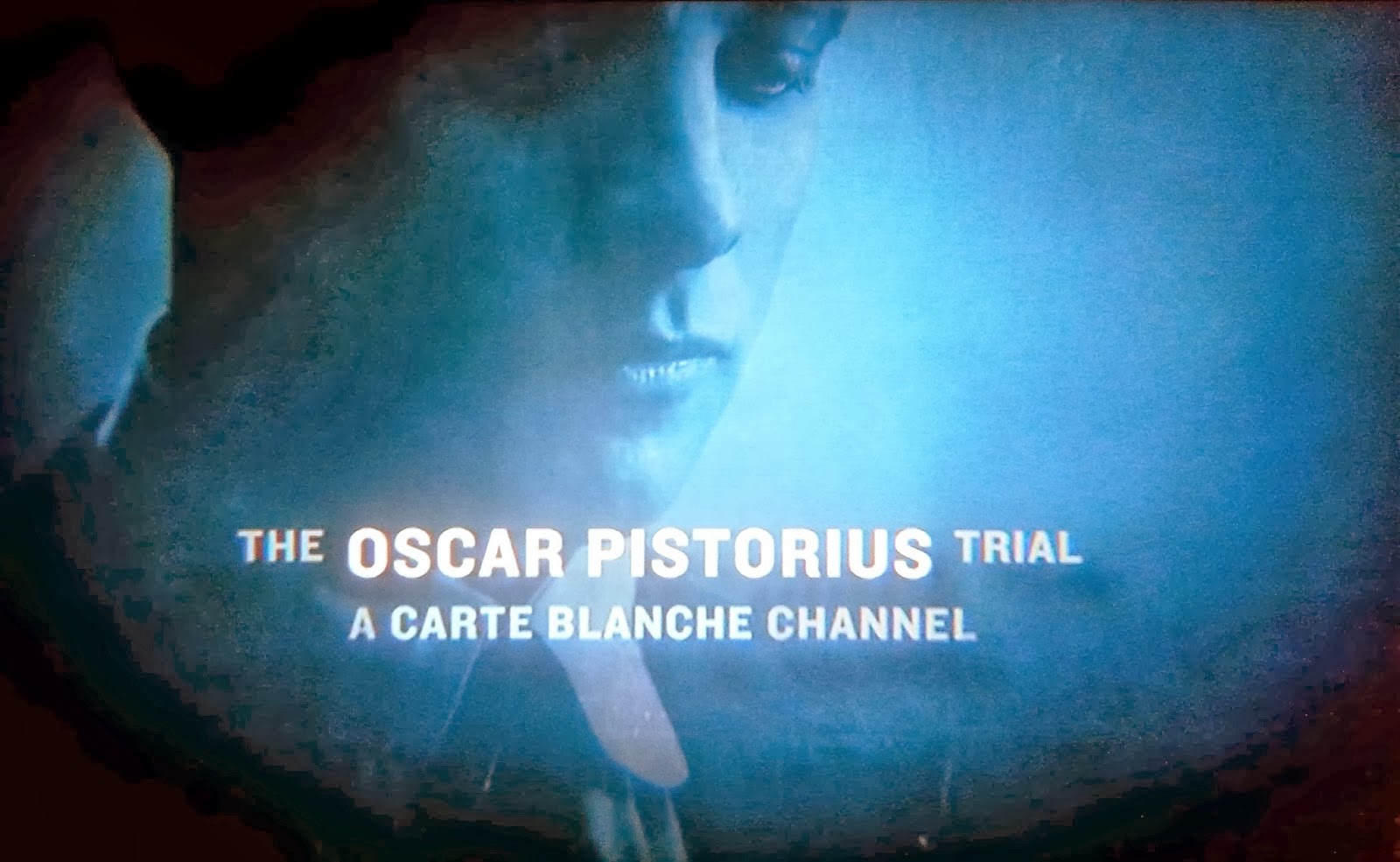
Despite years of experience as an investigative TV journalist and having also anchored hours and hours of studio coverage during the Oscar Pistorius trial on MultiChoice's Oscar Pistorius Trial channel on DStv - ironically produced by the same production company responsible for Carte Blanche - Devi Sankaree Govender was for some reason not used or seen as a Carte Blanche anchor until mid-2017.

Since Devi Sankaree Govender joined Carte Blanche in 2002, it means it took her - as the first female anchor since Ruda Landman left - 15 years to make it to the show's anchor desk.

Claire Mawisa, with TV presenting and in-studio presenting experience joined Carte Blanche in April 2015 as a field presenter and since then has done dozens of stories. She is a year older than Macfarlane Moleli.

Macfarlane Moleli quietly joined Carte Blanche in September 2017 as a field presenter just 5 months ago.

Interestingly, neither M-Net nor Combined Artistic Productions issued any official statement or press release when Macfarlane Moleli joined Carte Blanche in late-2017, as was the case with Claire Mawisa in 2015 and others previously, with Macfarlane Moleli's addition as a new presenter that came across as decidedly low-key.

Now Macfarlane Moleli has suddenly been appointed as a studio anchor on the show, above Claire Mawisa who has been with the show longer, who has done more stories, and who has more on-the-ground and behind-the-scenes experience with the actual news magazine show.

Carte Blanche was asked why Macfarlane Moleli has suddenly been made an anchor on the show and why he was chosen as a man to replace Bongani Bingwa who also happens to be a man.

With Devi Sankaree Govender who had to wait years before being made an anchor, and with Claire Mawisa who joined Carte Blanche before Macfarlane Moleli, Carte Blanche was also asked why she has not been allowed to anchor or to become an anchor before Macfarlane Moleli who has been with the show for a far shorter time than Claire Mawisa.

M-Net in response to a media enquiry says "why Macfarlane got the anchoring job, it’s quite simple: He comes with a huge amount of live studio anchoring experience under his belt from his time at eNCA and the SABC. Hosting live TV is a very unique skills set that Macfarlane already joins the team with."

"Macfarlane has spent the past two decades honing his presenting and investigative journalism skills on issues around current affairs, politics, economics, business, sports and environmental affairs," says George Mazarakis, Carte Blanche executive producer. "He is a seasoned studio presenter and we're thrilled to welcome someone of his calibre to our team of highly experienced anchors".

Carte Blanche says "Macfarlane Moleli has more than 14 years' work experience as a journalist in the media and entertainment industry under his belt. Most recently he worked at Kaya FM, following a 5-year stink at news channel eNCA."

"Macfarlane was also a former prime time newsreader on SABC3 for the 19:00 news. During this time he hosted 180 Degrees on SABC News International, as well as the drive time news and current affairs anchor on "The Touch Down show on Touch Central."

When Claire Mawisa's name is searched for in online search engines, lurid stories doesn't come up like one last year about Macfarlane Moleli where headlines blare 'Lover' says Macfarlane shattered her heart with things like an alleged girlfriend, Lerato Phakathi, who told The Daily Sun that he allegedly "has a tough time keeping 'it' in his pants".

Carte Blanche will celebrate its 30th anniversary in August. The show's current roster of presenters are Derek Watts, Devi Sankaree Govender, Claire Mawisa, Macfarlane Moleli and John Webb who is apparently relocating overseas and leaving South Africa but who will still be doing inserts for the show.

Investigative news mags - because they value and protect their credibility and integrity in a genre of television where the faces directly represent the credibility and trust of viewers built up over years of doing stories and interviews - usually promote from within.

America's 60 Minutes, the BBC's Panorama and the BBC's interview show HARDTalk only elevate insiders from within the fold to the prestigious rank of anchor presenter, and only after many years of having built up a cache of credibility and having proven their mettle through a vault of stories and interviews.

Friday, June 9, 2017

M-Net's Carte Blanche: 'Devastated by the loss of Johann Botha, one of our finest producers'.


M-Net's Carte Blanche where Johann Botha (53) was a producer has issued a statement following the brutal death of the well-known TV presenter and producer who was shot and killed on Wednesday evening during a Jeppestown robbery at the Zebra Inn.

Besides Johann Botha, his friend and owner of the Zebra Inn restaurant and bar, Werner "Swazi" Perchtold (73), was also shot dead.

"M-Net's Carte Blanche team is devastated by the loss of Johann Botha, one of our finest producers," says George Mazarakis, Carte Blanche executive producer.

"Johann was immensely talented and had a depth and breadth of experience which makes him simply irreplaceable".

"Johann was a brave, creative investigative journalist with a kind and gentle nature.He could executive stories on the Johannesburg billing crisis - his most recent report - with as much ease as a piece on the penguins of Betty's Bay; he was comfortable reporting on politics or the arts".

"His loss is a loss for the entire broadcasting industry and he will be sorely missed," says George Mazarakis.

"We are outraged that yet again, a precious life has been lost to the scourge of crime."

"We extend our sincere condolences to his family and his friends."

Wednesday, May 20, 2015

Carte Blanche on M-Net scoops three awards at The National Press Club's Journalist of the Year 2014 Awards.


Carte Blanche, the weekly investigative magazine show on M-Net (DStv 101), has scooped three awards at The National Press Club's Journalist of the Year 2014 Awards.

Individual Carte Blanche wins included Graham Coetzer, Sasha Schwendenwein and Susan Comrie in the TV features category; Graham Coetzer, Sasha Scwendenwein and Susan Comrie in the Journalist of the year category; and for executive producer George Mazarakis as Editor of the year.

"Carte Blanche not only maintains but exceeds expectations each year, constantly a leader in reporting for 27 years on air," says Anne Davis, M-Net's head of original productions.

"We congratulate the skilled, passionate and tireless executive producer, George Mazarakis, for his 20 years of vision and leadership, evidenced by the recent slew of awards. Carte Blanche embodies the values of M-Net programming: credible, powerful, and relevant local content."

The Oscar Pistorius trial was honoured as the Newsmaker of the Year 2014, a broadcast celebrated for its impact and news value.
 
Combined Artistic Productions, the production company responsible for Carte Blanche, last year produced The Oscar Pistorius Trial TV channel for MultiChoice's DStv satellite pay-TV platform – a channel of which the viewership some weeks rivaled and surpassed even M-Net (DStv 101) and Mzansi Magic (DStv 161), making it the 4th most watched TV channel on pay-TV in South Africa

"Carte Blanche has been one of M-Net’s best performing productions for almost three decades now, but the fact that it continues winning such prestigious accolades is indication that the content remains relevant and engaging," says Gideon Khobane, M-Net channel director.

"It demonstrates that the programme is growing from strength to strength, meaning that despite the many primetime viewing options available, and M-Net offers award-winning content, consistent in its levels of quality and substance."

Friday, May 15, 2015

MASSIVE MILESTONE. Legendary producer George Mazarakis marks 20 years as executive producer of Carte Blanche on M-Net.


Carte Blanche on Sundays at 19:00 on M-Net celebrates an utterly massive milestone today: it is exactly 20 years today that the legendary producer George Mazarakis has been the showrunner as executive producer of the long running weekly investigative magazine show.

In the whole of South Africa's TV industry George Mazarakis' achievement is unparalled, sharing the remarkable honour with only one other person - Patience Stevens of Tswelopele Productions who've been steering the SABC's popular weekly glamorous lifestyle magazine show Top Billing on SABC3 for 23 years now as executive producer since 1992.

Besides George Mazarakis and Patience Stevens who've both surpassed two decades as the same executive producer still working on their respective weekly hour long shows, nobody else in all of South African television can claim the same daunting feat - made even more remarkable given the mercurial nature of channel line-ups and whims of broadcasters where local TV shows are annually commissioned and cancelled a dime a dozen.

Carte Blanche will celebrate its 27th anniversary in September on M-Net, with George Mazarakis who've deftly steered it for 20 of those years as M-Net's flagship show.

Carte Blanche, produced by Combined Artistic Productions, has not only maintained its true Sunday night appointment television cache over the past decades but has perennially remained the most watched show and most watched local show on M-Net.

Occasionally bumped by Idols some weeks, Carte Blanche has always reclaimed its top ratings spot on the most watched programme list, weathering anything from the biggest buzz-making American shows of any given season to local reality productions with its uncompromised credibility and mix of tantalising stories, unflinching consumer exposes and newsmaker profiles.  

Besides garnering countless awards and accolades, Carte Blanche has maintained its number one position as M-Net's most watched show for a mindboggling (and counting) 1 040 weeks.

With its slogan of "the right to see it all", George Mazarakis has remained an unabashed, outspoken advocate for press freedom in South Africa as Carte Blanche kept evolving, constantly pushing the boundaries of what's possible for the investigative magazine TV genre from the pre-internet, pre hashtag era, to today's multi-media, multi-screen and multi-channel television environment.

In 2008 George Mazarakis was instrumental in starting Carte Blanche's "Making a Difference" campaign, setting out to raise R20 million. Instead the campaign became a movement and has since raised more than R100 million to make a real difference in ordinary South Africans' lives.


"I first met George Mazarakis in 1995 when he accepted the appointment as executive producer of Carte Blanche; an academic from Rhodes University with experience in both television and radio," says Jon Sparks, the owner of Combined Artistic Productions, who calls George Mazarakis "a giant" in South Africa's TV industry.

"Over the past 35 years I've been fortunate enough to work with many talented producers in film and television but none have come close to matching the determination and dedication that George has shown at the helm of Carte Blanche," says Jon Sparks.

"He has a fiercely loyal and dedicated team that perform miracles week after week and whilst he always maintains that he merely guides the ship – we all know that George Mazarakis is Carte Blanche."

"Try to imagine having to deliver 1 hour of television every single week for 20 years. That's daunting stuff," says Jon Sparks.

"The pressure is relentless. Critical deadlines, legal issues, viewings at odd hours and over weekends and of course the need to produce a programme that will entertain the viewers when they sit down at 19:00 on a Sunday evening to watch a show that will provoke thought, anger, laughter, tears and hope."

"How does anyone maintain the same level of dedication and commitment  to show number 1 041 as you did to show number 1?  Surely that can only be achieved by an extraordinary person. What an honour and privilege to work alongside a true giant in our industry," says Jon Sparks.

This Sunday night Carte Blanche on M-Net will once again bring viewers that just-right mix of can't look away stories. Devi Sankaree Govender will investigate the 3 500 farm murders reported since 1990, investigate the medicinal use of dagga, Derek Watts has a story about elder abuse, and Bongani Bingwa interviews Mmusi Maimane, the new top man of the Democratic Alliance (DA) political party.

Wednesday, April 15, 2015

An Open Letter to Carte Blanche on M-Net: Adding Claire Mawisa as a presenter is a really big mistake - because I know you're better than this.


Dear Carte Blanche on M-Net

I love you; always have.

I have always watched you. As much and as often as I could.

That book that came out for your 25th anniversary in 2013? Believe me: I could have written it, and even better (and I'm not boasting).

I have VHS cassettes with recorded inserts, promos and theme songs stretching back decades which I will never throw away, so I'm writing to you out of a place of nothing but honest caring, caution and concern when I say:

Adding Claire Mawisa as a new presenter to your storied programme is a big mistake.

Yes. I've said it. A bigger mistake even than the planned spin-off Carte Blanche Pets M-Net wanted you to do, but thankfully never inflicted, on M-Net subscribers.

There really is no nice way to say this, so I will just say it.

Claire Mawisa is not Carte Blanche material. In fact, I think if she stays that she will damage you in ways neither you, nor us viewers, can even imagine.

And I love television, and I love you, and I don't want to see that - or have to write about it.

Claire Mawisa comes across as being one of those worst type of limelight seekers - the Kim Kardashian type who will lunge at, and do anything to be famous or to be on television, even if the type of TV is not appropriate.

Why else on earth would she want to be on Carte Blanche if its completely out of her depth and field of reference?

To them it doesn't matter. They just want to be on it, irrespective of the name and brand damage they cause to themselves, a show, and to others. These people will do anything, anything, for the oxygen of TV.

Who thought Claire Mawisa on Carte Blanche would be a good idea?

Are investigative TV magazine presenters really so interchangeable and replaceable that anyone will do? I refuse to believe that because I watch America's 60 Minutes, BBC's Panorama and Australia's Sunday Night often and they don't do foolish things like that.

ANN7 (DStv 405) is doing "an anchor search" competition to just make someone a TV anchor in prime time. As if you don't have to earn that seat behind the desk. (It's also the reason for that news channel's ongoing problem with credibility.)

A presenter and anchor on an investigative TV magazine show needs to earn their place, and then also viewers' respect - and the same should hold true for something like Carte Blanche.

I was willing to give this woman who doesn't have any formal journalistic education (and who shamelessly admitted it) the benefit of the doubt, until Claire Mawisa appeared on VUZU AMP's (DStv 114) V Entertainment on Tuesday evening just two days after her Sunday Carte Blanche debut. (See what I mean with wanting to be on TV whether its relevant or not?)

Why did you Carte Blanche and M-Net even allow Claire Mawisa to go on V Entertainment in the first place?

I cringed - cringed - when she posed like the model and cover girl she clearly really wants to be, where she talks about her love life, where she says men should say money doesn't matter if they want to try and impress her; where she says she wants to do "people stories".

This is how Paris Hilton acts. Not a presenter on a premium investigative magazine show with cache.

Two days after Claire Mawisa appeared on Carte Blanche - which is a blue chip, flagship M-Net brand - she is riding rough shot over your name and inflicting brand damage not just on your name, credibility and the perception of Carte Blanche, but on every single hardworking person there who is a part of the team working on bringing the programme with such a strong journalism pedigree to viewers.

If Claire Mawisa was really serious about Carte Blanche and really serious about being a serious journalist and TV reporter, she would not spend her time doing frivolous tabloid rooftop interviews in the autumn sun.

In years I have never seen Derek Watts or Ruda Landman or Bongani Bingwa or Devi Sankaree Govender do that.

Did you see the part where she just joined Carte Blanche and is already saying she can see herself returning to radio?

Even if it's true, why is she even saying this or allowed to say this? Is their no minder, no PR person, no briefed talking points? No media savvy or planning? Is Carte Blanche just a stepping stone to something bigger and better?

Help this woman, help you, and help us - the Carte Blanche viewers, the paying M-Net and DStv subscribers - and let Claire Mawisa quietly exit Carte Blanche. For the sake of your name and to protect your excellence.

Someone who says she wanted to tell people "not to watch" doesn't deserve to be on Carte Blanche and is going to damage it. Cut your losses before the embarrassment grows and cut Claire Mawisa loose - or let her stay but first learn basic journalism working behind the scenes.

Claire Mawisa had the gall to tell us that she "has been working with newsrooms" and is "comfortable with certain content". I take it she loves animals and is going to do cute animal stories.

Or am I really to believe that Claire Mawisa is going to do real, hard investigative stories and dare (or even offer) to do the visually confrontational pieces Carte Blanche has built its name on? I think not.

She said she wants to tell people stories and "that for me is the most important thing". Please take note: She didn't say journalism, the pursuit of truth, exposing issues, corruption, mistakes and society's faults. But "telling people's stories". Bless.

In the decades I've watched Carte Blanche as a loyal, loyal viewer and later TV critic, I've honestly never seen or experieced such a tacky, trashy, loud and brashy "introduction" of a new presenter to the Carte Blanche team. It's so ... just really beneath what Carte Blanche is.

Is this what Carte Blanche is going to become now? A KTV-ised, YOTV version for the young crowd with presenters doing selfies as they do stories? I fear for you Carte Blanche.

The time chatting on V Entertainment Claire Mawisa could have used to call Ruda Landman and offered to take her to coffee to ask for advice, to call Les Aupiais for story ideas, to take Devi Sankaree Govender's brilliant work out of the video library and to study her techniques.

My fear is, and I'm scared, that Claire Mawisa is trampling on the legacy built up through hard work and dedication by Michele Alexander, Martine Dennis, Annika Larsen and Chantal Rutter Dros - women who joined Carte Blanche with real journalism credentials and who stayed the course.

What Carte Blanche is actually saying and communicating to us as viewers and to the South African TV industry and media and journalism fraternity, is that there's not enough really great qualified broadcast journalists in South Africa who can be TV presenters as well.

What Carte Blanche says through this daft hire without saying it, is that there's not really great young graduates available in media and journalism from schools across South Africa.

Or that Carte Blanche is really that desperate to go young and trying to get a young(er) audience.

And that it doesn't matter that you actually go and study TV, media and journalism - your hard work and effort is actually in vain since we will take anybody if you can walk and talk. But I digress.

The truth is that Carte Blanche (and this is not dissing those shows, at all) is not Top Billing, or Expresso or 50/50 or The Real Goboza. Carte Blanche has credibility. Credibility it has built up the hard way over a long time.

Its style of TV journalism has become an institution just like its timeslot on Sundays at 19:00 on M-Net has become a tradition.

Adding Claire Mawisa isn't building but chipping away at that institutionality, that tradition and that overall credibility. Believe me.

I'm not tuning in to Carte Blanche to see "people's stories". I don't read newspapers and magazines and consume news media and insightful perspective pieces because I don't have anything better to do.

I do it because I turn to credible, proven media and publications who excel at what they do, who are experts, because I learn from them, and because they expand my view and understanding of the world I live in.

If Carte Blanche starts wasting viewers' time or no longer matters, viewers are going to start to tune out.

Don't look for relevance in cosmetic changes Carte Blanche - you haven't lost any of your relevance. Just keep doing real good work and your viewers who matter (and who matter to advertisers) will always be there.

All though my university studies I didn't have M-Net. On Sunday evenings I would walk kilometres to other other homes and hostels over years where I had friends, just to watch Carte Blanche. What was said and showed mattered that much.

I knew I would get something. Something of value. I knew I would be exposed to a bigger world from people who knew more than me and would transport me to places and people I never could on my own.

Even now with DStv Catch-Up supposedly automatically recording your show, I still watch and still set my own recording for Carte Blanche - too scared to miss it, and just wanting to make sure. It still matters that much.

Through the years there's been mistakes (Carte Blanche Extra which lasted all of 10 episodes, and that guy in the end-funny bon mot pieces who tried to be our Andy Rooney) but I've always stuck with you.

My fear is that as Carte Blanche experiments and dilutes its brand with irrational additions for the sake of whatever, like bringing in the Claire Mawisas of the world, that I might care just that little bit less.

And I don't want to go there.

Guard your integrity, your brand, your credibility, your legacy, dear dear Carte Blanche, just as much as I revel and enjoy (and have enjoyed over many years) the stellar work you've put on television for me to watch.

Continue to hold Carte Blanche to the TV compass that I, when I was almost two decades younger, aspired to and led me to journalism; something that's still a beacon which makes today's new generation of young people who want to be TV and news and current affairs producers and TV presenters want to be a part of your show.

Last month when I attended the official media launch of M-Net's Magic in Motion Film and TV Academy and that one young man was introduced and said from the stage "My dream is to work for Carte Blanche" I was so moved. It was a magical moment.

I knew that George Mazarakis from Combined Artistic Productions, Carte Blanche's executive producer was in that very room.

As a TV critic I felt so privileged to see a young media student in South Africa feel so much reverence, awe and respect for a South African brand of television that he wanted to tell a whole room that that is where he wanted to work - and that he is going to work as hard as he can to try and be good enough to maybe get a job there.

Don't sell yourself short Carte Blanche for the sake of ratings, youth appeal, demos and other superficial, transient fluff.

A really great TV executive once told me TV talent is mercurial; that the very best of television only invests is getting, keeping and showcasing the very best.

Doing your very best will always be enough Carte Blanche. This latest hire isn't.

Show South Africa and M-Net viewers that you continue to be as serious about them - us - as you are about doing serious, dedicated, and respected journalism with credible journalists, dedicated producers and presenters who we trust and believe.

That's the real reason why we keep watching Carte Blanche.

Wednesday, October 8, 2014

BREAKING. M-Net adds additional weekly Carte Blanche hour on Sunday nights to cover the sensational Shrien Dewani court trial.


There won't be dedicated court trial TV channel from MultiChoice on DStv like the Oscar Pistorius Trial TV channel which lured a massive viewing audience but M-Net and Combined Artistic Productions will now add a new weekly, hour long, additional Carte Blanche hour to cover the already sensational Shrien Dewani court trial from this Sunday.

M-Net will also broadcast the closing arguments and the judgment when that is handed down in the case by Judge Jeanette Traverso live.

The British millionaire, accused of plotting the murder of his new bride Anni in 2010 during their honeymoon in South Africa, took the stand earlier this week following a long extradition battle, with the businessman admitting in the Western Cape High Court that he's bisexual and had sex with male prostitutes.

The businessman's Paris to Las Vegas jetsetting lifestyle, expensive wedding and drug-fuelled bisexual escapades, and admission of tense fights with Anni, instantly created major public interest from South Africans as well as abroad.

M-Net is now adding the weekly Carte Blanche Legal Round Table: The Shrien Dewani Trial to the schedule from this Sunday, 12 October, from after the Sunday night movie, using the same template and presenters as for the Oscar Pistorius Trial TV channel on DStv.

The weekly show will also be added by MultiChoice to its DStv Catch Up offering on the DStv Explora.

The tele-terrific Katy Katopodis, Primedia's editor-in-chief of Eyewitness News (EWN) who excelled during the Oscar Pistorius trial as TV moderator with her own show, as well as David O'Sullivan will present, while the Carte Blanche presenter John Webb will attend the trial in Cape Town and share his reporting and observations on a weekly basis as well.

"It is highly intelligent and informed television discussion at its best," says George Mazarakis, Carte Blanche's executive producer.

Friday, February 28, 2014

BREAKING. Broadcast of the Oscar Pistorius murder trial on television is 'a seminal moment in broadcast history'.


You're reading it here first.

South African TV and broadcasting experts are calling the broadcast of the Oscar Pistorius murder trial on dedicated television channels and radio in South Africa, and globally, "a seminal moment in broadcast history".

The double amputee, paralympic athlete Oscar Pistorius shot and killed his girlfriend Reeva Steenkamp on Valentine's Day last year. On Monday he will appear in the Pretoria High Court for the month, standing trial and accused of premeditated murder in a sensational case which dominated and continues to draw massive worldwide interest.

From Sunday MultiChoice will run its own 24-hour, dedicated Oscar Pistorius trial TV channel on DStv on channel 199 with a live court feed as well as live discussion content and pre-packaged documentaries and inserts.

From Monday Sabido's Platco Digital will run it's own 24-hour, dedicated Oscar Pistorius trial TV channel on OpenView HD (OVHD) on channel 119 that will beam court proceedings daily from 10:00 to 16:00 and then loop it in repeat blocks.

TV and radio news channels ranging from eNCA (DStv 403), ANN7 (DStv 405), Sky News (DStv 402) and Eyewitnessnews (EWN) plan dedicated, rolling court proceedings and news coverage on the Oscar Pistorius court case.

"You have to understand that this is a seminal moment in broadcast history," George Mazarakis, the executive producer of Carte Blanche and the executive producer of the Oscar Pistorius trial TV channel on DStv tells TV with Thinus.

"We were preparing for this trial as if we're going to get nothing at all from the judge," George Mazarakis tells me. "To have achieved what we have is not only a significant moment in the history of South African jurisprudence but a testimony to the importance of open justice in the South African democracy".

"It is also for us a victory in terms of being able to present to our audiences a very complete picture - a more complete picture of how the judicial system works. Its a way of showing that everyone is capable of a free trial or can receive a free and fair trial," says George Mazarakis.

"People are critical and saying that broadcasters shouldn't be asking for these things. But actually it is the way to ensure a fair trial because the spotlight is on the courts".

The veteran South African broadcast expert and researcher Kate Skinner tells TV with Thinus that the judgement to allow broadcasting of the Oscar Pistorius court trial "is good news".

"It is practical, sensible and balances the rights of the public to know and to follow the case while at the same time ensuring that the court proceedings aren't unnecessarily disturbed. This sets a good precedent for the rights of the broadcast media to cover these high profile trials in future," she says.

"There has been a lot of interest around the Oscar Pistorius case among our viewers, therefore we would like to afford our viewers the opportunity to witness and follow the trial of Oscar Pistorius as it happens," says Monde Twala, e.tv's head of channels as to why e.tv is doing a 24-hour trial channel on OVHD.

"MultiChoice's channel will feature an incredible breadth of content," Aletta Alberts, MultiChoice's head of content tells TV with Thinus."It's not going to be just a one dimensional 'Oh, this is the trial and we're going to do analysis', type TV channel," she says.

"There's important pieces, profiles on the lawyers, profiles on the witnesses; the DStv channel is a fully comprehensive 360  degress and not just about Oscar Pistorius and the court trial," says Aletta Alberts.

"All the journalists involved are preparing very thoroughly for this. This is a complicated matter and it has to be treated with responsibility. There is an enormous amount of research that's been done," George Mazarakis tells me.

"I must make it clear that that particular application that was granted was an application that we as past of the MultiChoice group negotiated with the National Prosecuting Authority (NPA). This was a very different application from the one applied for my e.tv".

"The application we brought was deeply considered, a great deal of behind-the-scenes work went into it. And we came to a conclusion that we couldn't ask for blanket coverage".

"It wasn't what the judicial system would be ready to give us at this point. Remember it had never been granted before. So what we achieved is a remarkable result. Basically blanket coverage on audio and we got quite a lot of television coverage on top of it," says George Mazarakis.

Regarding the broadcast feed George Mazarakis says "we provide the actual physical mechanism for accredited media to plug into. And then what they do with it is up to them but there are no holds barred. Everybody who is an accredited broadcaster around the world would be able to access it".

"The feed will be made available to all media, not to the public - I think the public thinks that they're going to get access to that feed. That feed will be on the DStv Oscar Pistorius TV channel and on other accredited broadcasters. It is free of charge, at a point where different broadcasters then picks it up and deliver it to their own station," explains Aletta Alberts.


ALSO READ: George Mazarakis from Carte Blanche and Aletta Alberts from MultiChoice talk about the content of DStv's dedicated Oscar Pistorius trial TV channel.

BREAKING. South African televisionaries George Mazarakis and Aletta Alberts talk content of MultiChoice's Oscar Pistorius trial TV channel on DStv.


You're reading it here first.

MultiChoice's dedicated Oscar Pistorius trial TV channel starting on Sunday on DStv on channel 199 will be an analytical and current affairs TV channel which will integrate social media in a revolutionary way never seen on South African television before, as well as making daily use of Eyewitnessnews (EWN) reporters in a sinergistic resource sharing agreement.

The paralympic athlete shot and killed his girlfriend Reeva Steenkamp on Valentine's Day last year, and will stand trial from Monday, accused of premeditated murder, in a story which continues to grab world attention.

The Oscar Pistorius trial TV channel - packaged, produced and provided by Combined Artistic Productions (which produces Carte Blanche on M-Net) - will be running for 24 hour per day with a breakfast preview show and an afternoon and late afternoon wrap-up shows.

In-between there will be rolling news coverage and a wide array of documentaries and other pre-filmed inserts.

The channel will also have a daily analytical show and make extensive daily use of Eyewitnessnews (EWN) reporters on television in a sinergistic partnership. Seven documentaries have already been produced and acquired and 70 inserts have already been produced which will all be shown on the channel.

George Mazarakis, executive producer tells TV with Thinus hat the Oscar Pistorius trial TV channel will be "analytical and quite serious and responsible in terms of its approach".

"The content is responsible, above all, and its legally sound. We've been very, very particular about doing that. Our presenters are legally trained".

"We have Emma Sadleir who is an expert on social media and media law in general, and David O'Sullivan from 702 who is a media lawyer by training and was in fact Carte Blanche's lawyer for many years before he became a very good broadcaster".

"And we have the Carte Blanche presenters, all of whom are by their very definition serious in their approach to their work. And that's what important about this. We also have John Webb who is a Carte Blanche presenter - you might know him - he is going to be the court presence in Pretoria," says George Mazarakis.

"We're going to have breakfast shows which are going to preview the events of the day, a lunchtime break which summarises the events of the morning and looking at what will be coming in the afternoon, and a late afternoon analysis of happened in court".

"Then there will be four hours of live programming from 18:00 to 22:00 in the evening which will take the form of both a newsier - but not news - a newsier approach to things ... meaning a current affairs approach, including some documentary material."

"And then an analytical programme around 20:00 which takes the legal view of what happened in court and what the procedures are. It's an educative role which is a very significant aspect of this".

"The last thing that you can call this is tabloid," George Mazarakis stresses to me. "It's not what we want. We have a very particular approach it".

"Remember that Carte Blanche has been based on a tradition of investigative journalism, not purely light-hearted stuff. We've won 155 awards for credible journalism, and we want that spirit to persist in this channel".

George Mazarakis tells me that for the Oscar Pistorius trial TV channel Carte Blanche and EWN will be working close together to bring South African viewers all the angles and news. "There will be a sinergistic relationship; we're sharing resources".

"They have eyes on the ground where we are going to be. This is an entirely different approach to broadcasting - social media - embracing a social media approach not just with how we transmit and how we consume information, but we also want to engage with our audience on social media".

"With EWN, these are the most credible people on radio, we are using some of their presenters. Katy Katopodis, their news editor, is going to one of our presenters, and we're going to have crossings to Pretoria to the field reporters who will be interviewed there by John Webb who's working with us as well".

"All the journalists involved are preparing very thoroughly for this. This is a complicated matter and it has to be treated with responsibility. There is an enormous amount of research that's been done," says George Mazarakis.

"The style of the channel will be a combination of current affairs and news as it happens," Aletta Alberts, MultiChoice's head of content tells TV with Thinus.

"It will be the first time that we will do a very different way of social media integration into a DStv channel," she says. "It won't be your standard strapline that sits at the bottom of the screen, its going to be completely integrated".

"From a content perspective it was really important for us to ensure that we make our coverage really balanced and responsible but most of all we have to understand that we are dealing with a human being in the sense of Oscar Pistorius, and somebody who died in terms of Reeva Steenkamp".

"We can't forget that. We have to be responsible around that. We are not there to character assassinate anyone or prejudicing anyone," says Aletta Alberts.


ALSO READ: Broadcast of the Oscar Pistorius murder trial on television is "a seminal moment in broadcast history," broadcast experts tells TV with Thinus.

BREAKING. Carte Blanche's entire Sunday night edition on M-Net at 19:00 dedicated to an hour long Oscar Pistorius murder trial preview.


Carte Blanche on M-Net on Sunday night at 19:00 will devote the entire programme to an hour long TV special about Oscar Pistorius before the paralympic athlete's murder trial starts on Monday.

Oscar Pistorius shot and killed his girlfriend Reeva Steenkamp last year on Valentine's Day, 14 February, and is accused of premeditated murder in a court trial which will start Monday.

The Oscar Pistorius court case has all the elements of a Hollywood drama - a superstar sporting hero, a beautiful victim, a glamourous lifestyle and on Valentine's Day a dramatic killing which has gripped the world.

For the Oscar Pistorius court case MultiChoice will run a dedicated Oscar Pistorius trial TV channel on channel 199 on DStv from Sunday. The TV channel which will run for 24 hours per day is produced for DStv by Combined Artistic Productions which also does Carte Blanche. Other TV channels such as eNCA (DStv 403) will also televise portions of the trial.

On Sunday Carte Blanche on M-Net will show how, in Hollywood, renowned forensic experts are working alongside leading dramatists on a project called "Oscar - Fall of a Titan". Could this partnership between science and art reveal unexpected truths about the tragedy?

Speaking about the Oscar Pistorius trial TV channel starting on DStv on Sunday, George Mazarakis, the executive producer of Carte Blanche and of the TV channel told TV with Thinus that the style of the channel is going to be "analytical and quite serious and responsible in terms of its approach to the law, because this all about the law".

"We have a host of programmes which are pre-filmed and pre-edited in a style as advanced as Carte Blanche. The style is beautifully filmed, beautifully assembled material."

In the region of 70 inserts have already been produced covering all aspects of the case and which will be shown on the dedicated DStv channel.

Tuesday, December 31, 2013

BREAKING. Dudley Saunders: 'We have lost one of our greatest talents. We will miss him dearly,' says George Mazarakis from Carte Blanche.


"The entire Carte Blanche team is deeply mourning the death of the M-Net programme's principal cameraman, Dudley Saunders," George Mazarakis, the executive producer of Carte Blanche tells TV with Thinus in a statement.

George Mazarakis is weighing in, as is the rest of South Africa's shocked TV industry, following the unexpected death of the beloved and fearless cameraman Dudley Saunders on Tuesday in a freak accident while filming a story for the British production company Arrow Media.

"We have lost one of our greatest talents," says George Mazarakis.

"Dudley was a key member of the Carte Blanche family and a true gentleman and consummate professional."

"His work ethic set high standards for all those lucky enough to work with him and his artistry created images that moved and inspired his audiences. It was a delight and a privilege to have known and worked with this awesome man among men! We will miss him dearly," says George Mazarakis.

Friday, December 6, 2013

BREAKING. Carte Blanche executive producer George Mazarakis on Nelson Mandela: 'He came to Carte Blanche and lit up our world.'


Following the death of Nelson Mandela, George Mazarakis, the executive producer of Carte Blanche on M-Net is weighing in.

"From all the obvious things Nelson Mandela meant to the country as a living icon, he came to Carte Blanche and lit up our world every time we had the privilege of interviewing him," says George Mazarakis.

"His gigantic presence had a remarkable way of making each and every member of the crew feel special, cherished and unique. His contribution to the human experience in the fields of peace and co-operation is so immense, it is unquantifiable."

"We have been truly blessed to have brushed past his presence… The beauty of it is he always bore himself with such humility and grace," says George Mazarakis.

Sources tell me there will be a special episode of Carte Blanche on Friday or Saturday on M-Net before Sunday's usual Carte Blanche.

Sunday's Carte Blanche episode on M-Net will also be changing the planned line-up with the episode which will now be a tribute to Nelson Mandela's legacy.

Sunday, September 1, 2013

BREAKING. Carte Blanche on M-Net reveals it's brand-new look and logo; beautifully redone opening sequence for its 25th birthday.


Carte Blanche on M-Net on Sunday evening unveiled a brand-new beautiful, edgy, richly symphonic, "rewind" opening theme and transparent on-air logo for its 25th birthday broadcast, done from atop what was once the Hillbrow Tower.

The brand-new Carte Blanche's richly symbolic opening sequence - in keeping with the show's longrunning motto of "the right to see it all" - cleverly "peels back" the layers of the types of stories South African viewers have come to expect from the highly acclaimed Sunday night at 19:00 current affairs show.

The iconic theme tunes has been updated but still maintains the sweeping violins and the nine high end notes as among other things ink lifts up beautifully from censored documents, forest dirt and leaves lift to reveal a girl's pink shoe, building rubble (from an earthquake or the zombie apocalypse) lifts to reveal not quite a zombie but a dust covered man.

Dave Pollecutt's beautiful edgy theme music was updated with a new orchestration by Robert Michael Brinkworth and Masters and Savant Worldwide did the stunning opening imaging and refreshed Carte Blanche's logo.

The Carte Blanche cold open started with a stunning panoramic view of Johannesburg's winter nightscape, then zooming in on the top of the Telkom Tower, 269 metres high, from the outside, with Derek Watts and Bongani Bingwa visible sitting inside on white chairs.


"Welcome to our 25th birthday broadcast," said Derek Watts.


"Carte Blanche has been a mirror on South Africa for 25th years," said George Mazarakis, the executive producer, interviewed by Derek Watts, "and deals, very eloquently with the issues which we faced as a society and as a country."

"It's not an easy thing doing investigative journalism," said George Mazarakis. "And I think its become more difficult. And clearly the legislation that's floating about is designed to prevent that kind of journalism from happening."


Carte Blanche did an insert about the book, Carte Blanche 25 Yearsthe content of which falls somewhat short of expectations for a book of this type

Derek Watts cut a special 25th birthday celebration cake on the air.

REVIEW. Carte Blanche 25 Years - The Stories Behind the Stories, too superficial to really yield a 'carte blanche' look behind the scenes.


For a book such as Carte Blanche 25 Years - The Stories Behind the Stories about which George Mazarakis, the executive producer of the long running M-Net investigative magazine show, writes in the foreword "is not an academic textbook on how to make television; it is rather, simply, a celebration of 25 years of storytelling," I wanted more.

Carte Blanche 25 Years - The Stories Behind the Stories written and compiled by Jessica Pitchford, the managing editor of the show, and published by Jonathan Ball Publishers doesn't compare that well with similar books in this genre (which I enjoy tremendously and collect: books about television and the TV industry and TV shows).

But perhaps doing a better celebration of Carte Blanche in paperback would have made it too prohibitively expensive. Or it might be deemed too risque being carte blanche about Carte Blanche. Who knows.

Next to books such as Days of Our Lives - The True Story of One Family's Dream and the Untold History of Days of Our Lives, Producer: Lessons Shared from 30 Years in Television from Wendy Walker who was the executive producer of Larry King Live, Bill Carter's Desperate Networks, The Oprah Winfrey Show - Reflections on an American Legacy - even e.tv - The first 10 Years - and quite a few others alongside which Carte Blanche 25 Years will find a place on my library shelf, it seems and reads like a tad too light and superficial.

Would a little multimedia CD-ROM such as which came with the book E! True Hollywood Story to illustrate some highlights over the years, to show some bloopers, sets and set changes, hair over the years and openings have made this product that much more expensive?

The few high gloss colour pictures in the middle of Carte Blanche 25 Years is of an odd selection (and too few) - and probably the most noteworthy photo, the one of all the Carte Blanche presenters since the start of the show, curiously couldn't be bothered to do a photo inset of Manu Padayachee or Annika Larsen or even have a caption with everyone's names.

There's some - but sadly too few - jewels between the pages of Carte Blanche 25 Years offering titbits of revelations: Derek Watts was not the producers' first choice as one of the anchors. And for budgetary reasons Carte Blanche shoots are usually confined to two days and a single camera.

And how about this? That M-Net eventually wanted to do Carte Blanche live every night with news. In January 2000, the first live broadcast of the new millennium for Carte Blanche kicked off from a new set - an L-shaped desk with space for guests. M-Net had been toying with the idea of Carte Blanche going live with news every night, so the set was chosen with that in mind, although it never happened.

Lunch is "about as far" as Carte Blanche will go in terms of paying for stories - such as a bunny chow in a hotel last year for Bruno Pelizzari after he and Debbie Calitz were released by Somali pirates.

Devi Sankaree Govender is told by passers-by that she looks taller on television.

Or that its an "endless source of amusement" at Carte Blanche that Cape Town producer Liz Fish is obsessed with the ocean (and helped the show to win many accolades).

And then there's this too true journalism bon mot: "Carte Blanche lawyers Dario Milo and Emma Sadleir got involved. They were eager to avoid an interdict, which is costly, time-consuming and often dependent on which side of bed the presiding judge has emerged."

If you want real answers or introspection, real engrossing reading as to what really happened behind the stories, you're out of luck with Carte Blanche 25 Years although the book's back cover promises "an unabashed look at what goes on behind the scenes of the nation's longest-running current affairs show".

It doesn't really provide that at all.

Why did Ruda Landman really leave Carte Blanche in June 2007? How did presenter Manu Padayachee - in life before he died a functioning alcoholic - really impact on the production of the show? How did Ruda Landman really feel and what led up to it behind-the-scenes when she broke down in tears, reached out and hugged a sexually abused child and which made for an iconic TV moment?

How did George Mazarakis and the team feel about (being forced?) to have Carte Blanche interview Big Brother SA contestants evicted from the tawdry reality show Sunday after Sunday simply because it was on M-Net? Gold Reef City?

What about the one-pre-taped Sunday introduction Carte Blanche did which went horribly wrong (due to a real-life shocking news event) and which the producers afterwards vowed to never do again? Why did the show experiment with an op-ed commentator for a while?

None of that's included which would have made for true fascinating reading.

How did the spin-offs Carte Blanche Medical and Carte Blanche Consumer in 2010 impact on the workload and production stress and what happened before, during and after the cancellation news of these shows from M-Net?

(The closest the book comes to any of it is to say on page 225 that Carte Blanche Consumer was "a high-maintenance show because each step of the process had to be filmed reality-style and the cases carefully chosen.")

What are some production logistics, close shaves and mini miracles which took place behind some extraordinary and not so extraordinary Carte Blanche stories over the years which suddenly made all the difference?

None of these things and a myriad more stories which true, real fans of Carte Blanche have some knowledge of but would have liked to read about as part of fuller, rounded out stories, are ever talked about or mentioned in the book.

Yet that is what would have made Carte Blanche 25 Years a real page turner and keepsake book such as Star Trek The Next Generation Companion in which the producers wonderfully were willing to fully dish on the good and the bad without sacrificing any of the stature of the show.

Chapter 11 The "Mama Jackie: The Angel of Soweto" in Carte Blanche - 25 Years is in my estimation the best chapter of Carte Blanche 25 Years - a little inkling of what the book, merely filled with shortish narrative anecdotes of certain stories, could have been and should have been.

This chapter tells more and provides more glimpses of the producers and presenters as they realise a con story after doing multiple positive profile stories about Mama Jackie, and how gradually the show is forced to adjust its coverage over time.

Derek Watts' recollections of covering Mark Shuttleworth's launch into space similarly provides what would have made this book excellent. How Derek Watts had to jet back to South Africa with footage, how producers worked overtime in the edit suite and how a jet lagged Derek Watts showed how to find key moments out of 34 hours of video for a 20 minute story.

Don't expect real revelations from the production team at Carte Blanche. The book is more of an oral historiography as told by certain producers and penned down by Jessica Pitchford.

If you really like the show, Carte Blanche 25 Years is sadly not going to enhance it. It's a nice to have, but overall boring - venturing where other books celebrating true TV milestones have gone before bigger and much better.